The Natural Fiber Frenzy: Are We Overreacting to Polyester?
By Editor • September 1, 2026 • 3 min read
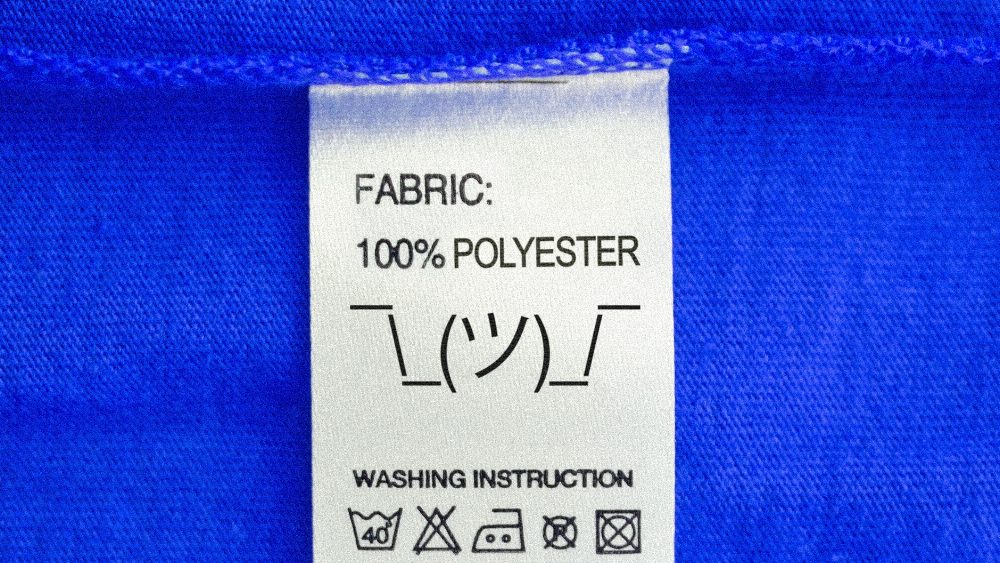
The recent surge in online discussions about men’s underwear has sparked a passionate movement towards natural fibers, but this backlash against polyester may be misguided.
As the internet’s self-optimization enthusiasts delve into the implications of their clothing choices, they have turned their attention to the environmental consequences of synthetic materials like polyester and spandex. Many are eager to embrace the natural fibers of yesteryear, seeking alternatives that align with sustainability and health. Reddit forums such as r/PlasticFreeLiving and r/SustainableFashion are buzzing with users seeking recommendations for natural underwear, with one user lamenting the chafing properties of organic cotton and hemp.
Whitney Crutchfield, a textile development instructor at the Fashion Institute of Technology, has observed this shift from her sustainability-focused students to a broader audience. The enthusiasm for natural fibers spans various demographics, with many declaring their commitment to purging synthetic clothing from their wardrobes. Fashion journalist Liana Satenstein even lauded the rise of natural-fiber workout apparel, while anonymous influencers disparage polyester for its perceived cheapness.
Natural fibers, such as silk and wool, boast a number of advantages: they do not shed microplastics, are generally biodegradable, and are often associated with higher quality. Yet, the fervor surrounding natural fibers raises questions about their superiority over synthetic options. Crutchfield points out that synthetic materials were originally developed for their unique properties, which natural fibers cannot replicate. For instance, the introduction of nylon by DuPont at the 1939 World’s Fair was a game changer, promising durability and ease of care.
While natural fabrics are celebrated for their luxury and quality, synthetic materials can enhance garment performance and longevity. For example, clothing that includes nylon or spandex can offer better moisture-wicking properties and shape retention. As Nancy Deihl, a fashion historian at NYU, notes, the incorporation of synthetic fibers allows for the comfort and stretch that many modern consumers desire.
However, the backlash against synthetics ignores some important nuances. For instance, while synthetic fabrics can contribute to microplastic pollution, the impact of switching to natural fibers on personal exposure remains uncertain. Additionally, many fabrics touted as eco-friendly are semi-synthetics, such as Tencel and modal, which undergo chemical processing that can be harmful to the environment.
Conventional cotton, often viewed as a sustainable choice, actually requires significantly more water to produce than some semi-synthetic alternatives. Furthermore, terms such as organic or recycled cotton don’t guarantee quality; the longevity of a garment depends on various factors, including fiber quality, processing methods, and how the fabric is constructed.
Crutchfield emphasizes the importance of understanding the context of fiber quality, as not all natural fabrics are created equal. A $50 cashmere sweater may not last as long as a $500 version due to the quality of the fibers used. The notion that natural fibers are inherently better overlooks the complexity of fabric production and garment longevity.
In a marketplace filled with choices, consumers often seek straightforward guidelines for sustainable purchasing. However, fiber content alone cannot determine a garment's overall quality or ethical implications. Factors such as production methods, harvesting conditions, and garment construction play crucial roles in defining the sustainability of clothing.
As the conversation around fashion continues to evolve, it’s essential to consider the broader picture. Both natural and synthetic fibers can be sustainable and ethical if produced and used responsibly. Instead of a blanket rejection of polyester, a more nuanced understanding of fabric choices may lead to more informed and sustainable consumer habits.
Source: www.theatlantic.com
#clothing #fashion #natural fibers #polyester #sustainability