US Students' Reading Scores Plummet to Historic Low in Global Assessment
By Editor • September 9, 2026 • 2 min read
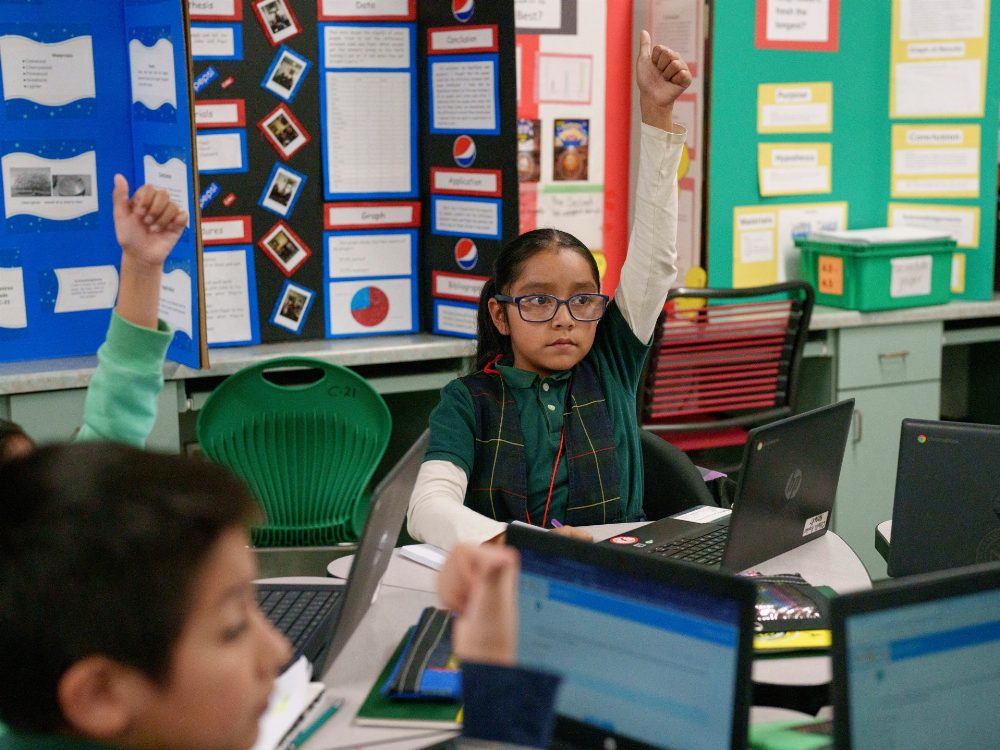
In a troubling revelation for the American education system, the latest international assessment shows that reading scores among 15-year-olds in the United States have dropped to their lowest point in nearly a quarter of a century. The findings, released by the Organisation for Economic Co-operation and Development (OECD) on Tuesday, indicate a significant decline in student performance.
The Programme for International Student Assessment (PISA) results reveal that US reading scores fell by 14 points from the previous assessment in 2022, marking a stark contrast to the OECD average, which saw a drop of 16 points across 23 countries. Notably, the US exhibited a disproportionate level of inequality in reading proficiency, with 25.7% of students categorized as low performers and only 13.3% achieving high performance. Michael Kieffer, a literacy education professor at New York University, pointed out that no other participating country demonstrated such a wide performance gap.
Political Reactions and Educational Reform
The alarming PISA results coincide with ongoing efforts by the Trump administration to redefine the federal government's involvement in education. In March 2025, President Trump issued an executive order directing Education Secretary Linda McMahon to initiate the dismantling of the Department of Education, an agency responsible for monitoring educational achievement and enforcing civil rights in schools.
Despite the department's lack of authority over school curriculums, Trump criticized it for perpetuating what he termed an “entrenched bureaucracy” that has failed to improve student performance. McMahon echoed these sentiments in her response to the PISA findings, asserting that the federal education system has undermined the potential of American students.
Calls for 'School Choice' and Investment in Education
The administration has emphasized the need for a fundamental overhaul of the educational system, advocating for “school choice” as a solution. This approach aims to redirect taxpayer funds from public education to alternative schooling options, including charter schools and homeschooling. Although touted as a means of enhancing educational freedom, critics argue that this strategy may undermine public education.
In light of the PISA results, OECD Secretary-General Mathias Cormann underscored the urgency of addressing the decline in student performance, suggesting that successful education systems prioritize depth over breadth, invest in teachers, and provide tailored support for students and schools in need. As the debate over educational reform intensifies, the future of American education hangs in the balance.
Source: www.aljazeera.com
#education #OECD #PISA #reading scores #Trump administration