Navigating the World of Salad Greens: A Nutritional Guide
By Editor • August 14, 2026 • 2 min read
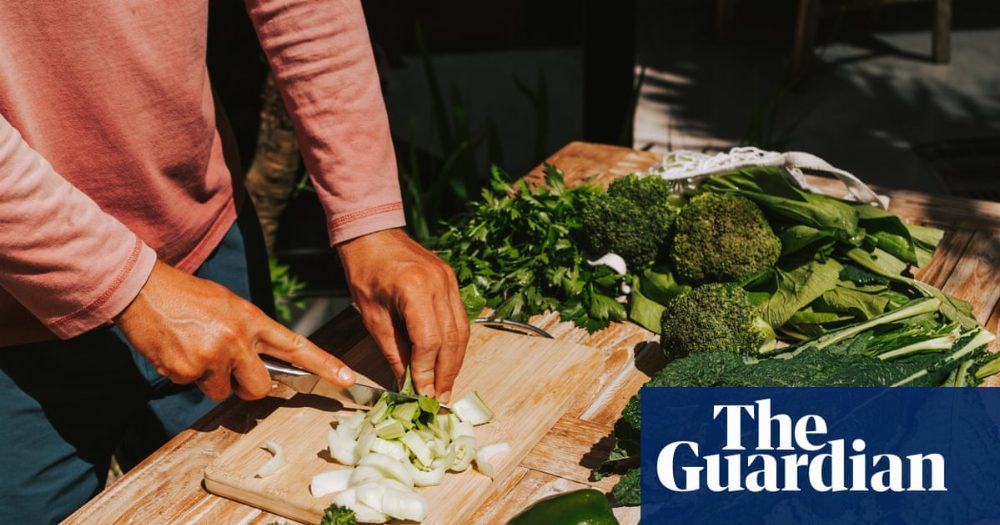
As we strive to incorporate our daily intake of vegetables, the selection of salad greens has evolved significantly beyond the classic iceberg lettuce. Today, a plethora of options exists, from romaine and red-leaf lettuce to beet greens and arugula, each offering unique flavors and health benefits.
In light of recent concerns over food safety, particularly during the cyclospora outbreak in the U.S., individuals may be more inclined to evaluate the nutritional value of their salad greens. The Centers for Disease Control and Prevention (CDC) highlights the importance of nutrient density—the amount of nutrients per calorie—in making healthier choices. A 2014 study by the CDC notably crowned watercress as a nutritional powerhouse, boasting 17 nutrients per calorie, nearly double that of kale.
Jamie Mok, a registered dietitian from Los Angeles, emphasizes the rich nutritional profile of watercress, which includes vitamin K, vitamin C, and various minerals. However, she cautions against solely relying on one type of green. Other cruciferous vegetables such as kale, arugula, and cabbage provide substantial health benefits as well, containing compounds that may aid in cancer prevention.
Experts recommend a varied approach to salad greens rather than searching for a singular best option. Dr. Nina Cherie Franklin, a health coach, advocates for including a mix of greens like spinach, collards, and dandelion greens, each contributing distinct nutrients to the mix. For example, while a cup of cabbage offers fiber and vitamin C, spinach provides vitamin A as well.
Color can also play a role in nutritional value, with darker greens typically being richer in nutrients. However, Franklin reassures that lighter greens, including romaine and butter lettuce, still offer essential vitamins and hydration. To maximize nutrient absorption, particularly for fat-soluble vitamins like A, E, and K, adding healthy fats such as avocado or olive oil is beneficial.
When considering food safety, particularly with leafy greens that can harbor pathogens like E. coli and cyclospora, proper washing and cooking are crucial. Franklin advises washing greens thoroughly and discarding any damaged leaves, while Mok suggests cooking greens can enhance safety by reducing the risk of contamination.
According to research, leafy greens are linked to approximately 2.3 million foodborne illnesses in the U.S. each year, costing over $5 billion to manage. The structure of leafy greens, with their crevices, can trap pathogens, making them vulnerable to contamination during various stages of handling.
Storage also plays a significant role in maintaining the nutritional value of greens. Experts state that while some vitamins, like vitamin C, may diminish over time, most nutrients remain stable when stored appropriately in the refrigerator. Franklin notes that reusable produce bags can help keep greens fresh by allowing airflow and managing moisture levels, while unwashed greens tend to last longer.
Ultimately, embracing a diverse range of salad greens not only supports our health goals but also enhances our culinary experience. With proper handling and storage, we can enjoy the myriad benefits of these vibrant vegetables while keeping food safety and nutrition at the forefront.
Source: www.theguardian.com