Afghans Face Uncertain Futures as Millions Are Deported Under Taliban Rule
By Editor • September 1, 2026 • 3 min read
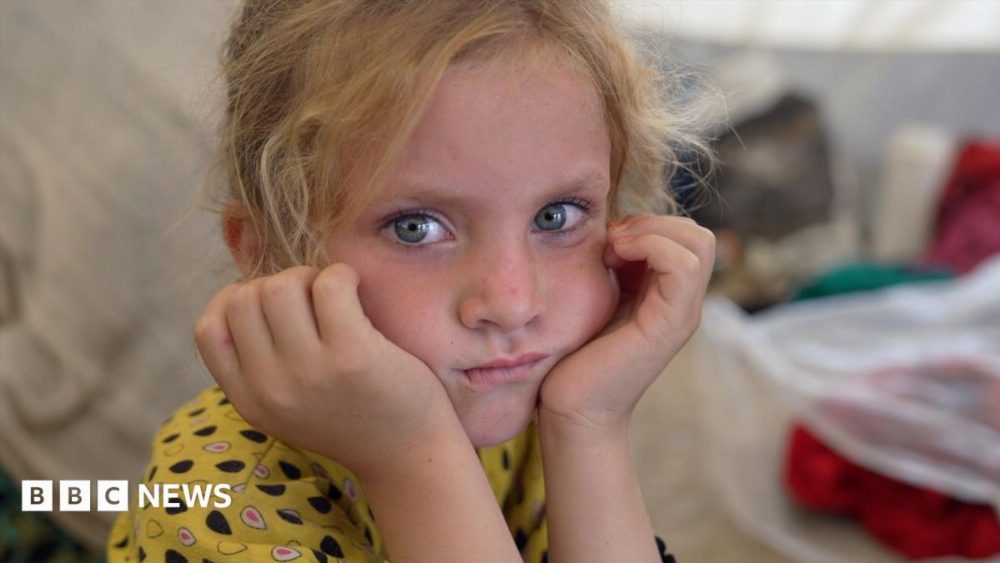
The Torkham border crossing, a critical juncture between Pakistan and Afghanistan, has become a poignant symbol of the staggering humanitarian crisis unfolding as millions of Afghans are forced to return to their homeland. Among them is Nazia, a 35-year-old woman who, despite being born in Pakistan, finds herself stepping into Afghanistan for the very first time. "It feels good to be in my own country," she shares, but her joy is tempered by the harsh realities that await her: "many people here don’t even have enough bread to eat."
As of this year, nearly a million Afghans have been deported from Pakistan and Iran, contributing to a total of six million returnees since the Taliban's takeover in August 2021, according to the UN’s Refugee Agency (UNHCR). This unprecedented cross-border movement is being described as the largest in recent history. Charlie Goodlake, a spokesperson for the UNHCR, emphasizes, "We’ve never seen a return movement on this scale," highlighting the dire conditions faced by many returnees upon arrival.
Many who return, like Sarwar, have not set foot in Afghanistan for decades. He arrived recently with a convoy of family members, recounting his departure during the Soviet invasion 45 years ago. "I felt heartbroken when they forced us out of our home," he admits, yet he also expresses relief at escaping the harassment he and his family faced in Pakistan. A stark contrast, the desolate refugee camps near the border, filled with makeshift shelters, reflect the challenges that lie ahead for these returnees.
Life in Pakistan has been increasingly precarious for Afghan migrants, with reports of widespread harassment and forced deportations. The Pakistani government has stated that it is taking measures to protect Afghan nationals, although many deportees describe experiences of prejudice and intimidation. Following escalating tensions between the two countries, the crackdown on undocumented migrants intensified, further complicating the lives of those who have sought refuge across the border.
In Iran, the situation is similarly troublesome. After a brief war last summer, Iranian authorities ramped up deportations of undocumented Afghans, accusing them of being security threats. This hostile environment has left many Afghans with little choice but to return home, despite the uncertainty and danger that awaits them under Taliban rule.
As returnees gather at makeshift camps, they face not only the harsh climate but also the grim prospect of rebuilding their lives in a country where women's rights are severely restricted. Zarina, a 40-year-old returnee, voices her fears for the future of her daughters: "Of course I’m worried. Look at them, they’re all girls." Her concerns echo a widespread anxiety about the Taliban’s policies that have barred women from education and public life.
Despite the Taliban’s reassurances regarding amnesty for former officials and security personnel, many are skeptical. One former Afghan security guard, who was deported from both Iran and Pakistan, expressed distrust in the amnesty, citing fears for his family's safety. Financial hardship compounds these fears, as the ongoing cuts in foreign aid have plunged Afghanistan into deeper crisis, with nearly half the population requiring urgent assistance.
In a recent briefing, Taliban Foreign Minister Amir Khan Muttaqi acknowledged the challenges posed by the return of millions but argued that it could ultimately benefit Afghanistan in the long run. However, humanitarian agencies like the UNHCR stress that any return should be safe, voluntary, and dignified, urging the Taliban to improve conditions for returnees and address the broader humanitarian crisis.
With the UN estimating that 21.9 million people in Afghanistan are in need of assistance, the situation remains dire. As returnees like Nazia and Sarwar grapple with the realities of a homeland transformed by decades of conflict and the current regime’s policies, the road ahead is fraught with uncertainty and challenge.
Source: www.bbc.co.uk