EPA Moves to Lift Emission Restrictions on Coal and Oil Plants
By Editor • September 15, 2026 • 1 min read
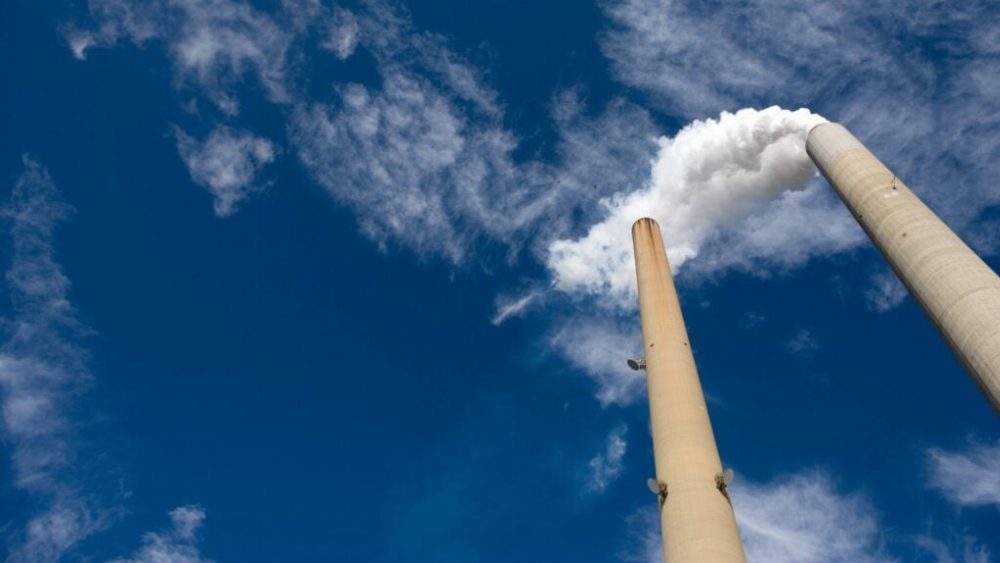
The Environmental Protection Agency (EPA) has announced plans to remove restrictions on greenhouse gas emissions from coal and oil power plants, a move that has sparked significant controversy. During a recent Group of 20 meeting in Houston, Texas, EPA Administrator Lee Zeldin claimed that previous administrations had declared a "war on coal" and asserted that U.S. power plant emissions do not significantly impact global climate change.
In a statement, the EPA argued that eliminating all carbon dioxide emissions would have no meaningful effect on climate, a claim that contradicts established scientific consensus. The agency's stance is particularly troubling given that, if measured independently, the U.S. power sector would rank as the fifth-largest climate polluter globally, trailing only China, all other U.S. emissions, India, and Russia.
Regulatory Changes Announced
The EPA is advancing two significant measures. The first repeals a directive from the Biden administration that mandated power plants to reduce most emissions by 2039 or face closure. The second measure rescinds the EPA's authority to regulate greenhouse gas emissions under the Clean Air Act, arguing that such gases are not pollutants.
Concerns from Environmental Advocates
This approach raises alarms among environmental advocates, who fear it could lead to judicial decisions that might limit future administrations' ability to reinstate stricter regulations. Carrie Jenks, executive director of Harvard Law School’s Environmental & Energy Law Program, commented that the current administration appears to be making a concerted effort to prevent any regulatory action on emissions from power plants.
Moreover, the EPA has stopped estimating the public health benefits of clean air regulations, suggesting a troubling trend of ignoring health issues related to pollution. The decision comes at a time when the Department of Energy's attempts to keep failing coal plants operational through emergency orders face increasing legal challenges.
Source: gizmodo.com