FIFA's Leadership Crisis: A Call for Structural Reform
By Editor • September 3, 2026 • 2 min read
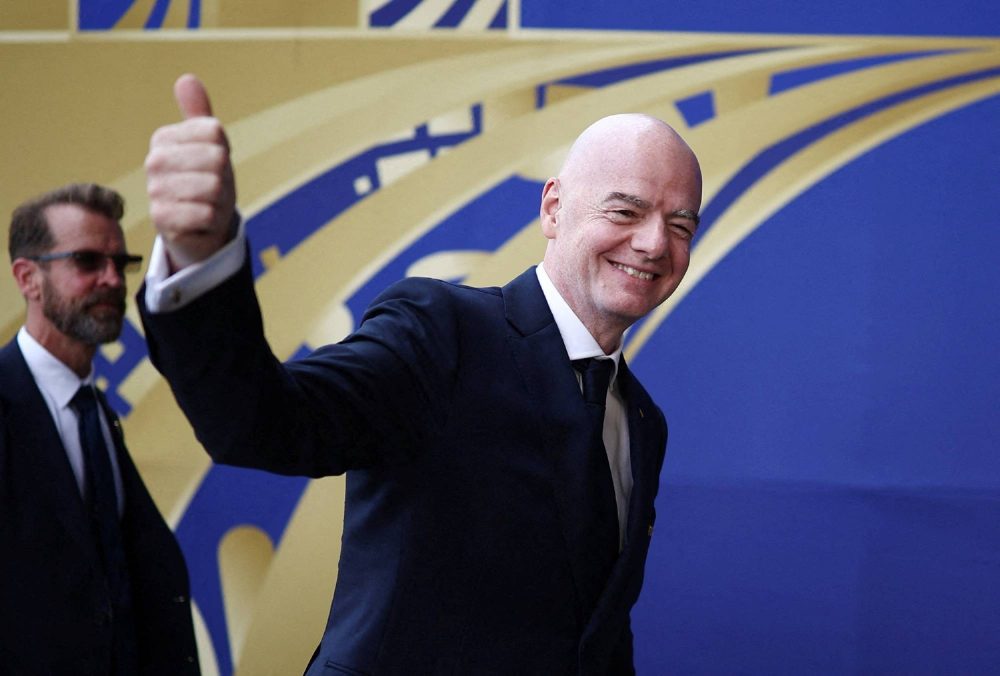
The recent turmoil surrounding FIFA President Gianni Infantino has ignited discussions about the need for significant changes within the organization, rather than merely replacing its head. Infantino's failed attempt to sell a stake in a $20 billion commercial venture to private investors was swiftly derailed, showcasing a leader struggling with accountability and foresight.
Infantino, who took office in 2016, promised a new era of transparency for FIFA, yet his leadership style closely mirrors that of his controversial predecessor, Sepp Blatter. Although Infantino has not faced the same criminal scandals that marred Blatter's tenure, ethical issues and governance concerns continue to plague the organization.
His recent behavior, including a lengthy Instagram post celebrating the World Cup while dismissing his critics, reflects an alarming disconnect from the realities of the sport he governs. Critics argue that his approach is reminiscent of authoritarian leadership, where dissent is not tolerated and the interests of the organization become inseparable from personal ambition.
Infantino's secretive plan to sell a $4.2 billion stake, involving connections to Donald Trump, has drawn widespread condemnation. His failure to involve key advisors in the decision-making process underscores a troubling tendency towards insularity, where leaders operate within echo chambers, oblivious to external scrutiny.
The governance structure of FIFA itself is a significant factor contributing to this leadership crisis. The one-member, one-vote system, while appearing democratic, often leads to the entrenchment of patronage networks. This system enables FIFA's leadership to maintain control by distributing resources to smaller associations, sidelining the larger footballing nations that are underrepresented in decision-making.
This clientelist approach has stifled meaningful reform efforts within FIFA, leading to leadership that resembles quasi-dictatorial rule. Proposals for change have emerged over the years, yet the underlying issues remain unresolved. While the one-member, one-vote system has its merits, there is a pressing need to reevaluate how votes and resources are allocated, especially to amplify the voices of women’s leagues, players’ unions, and clubs.
If FIFA fails to leverage the current crisis to initiate structural reform, the organization risks merely replacing Infantino with a similar figure, perpetuating a cycle of ineffective leadership. The time is ripe for a transformation that prioritizes accountability and inclusivity, ensuring that the governing body of soccer can regain its credibility and respect on the global stage.
Source: www.japantimes.co.jp