Hem's CEO Rejects Discount Culture, Aims for Enduring Brand Influence
By Editor • September 2, 2026 • 2 min read
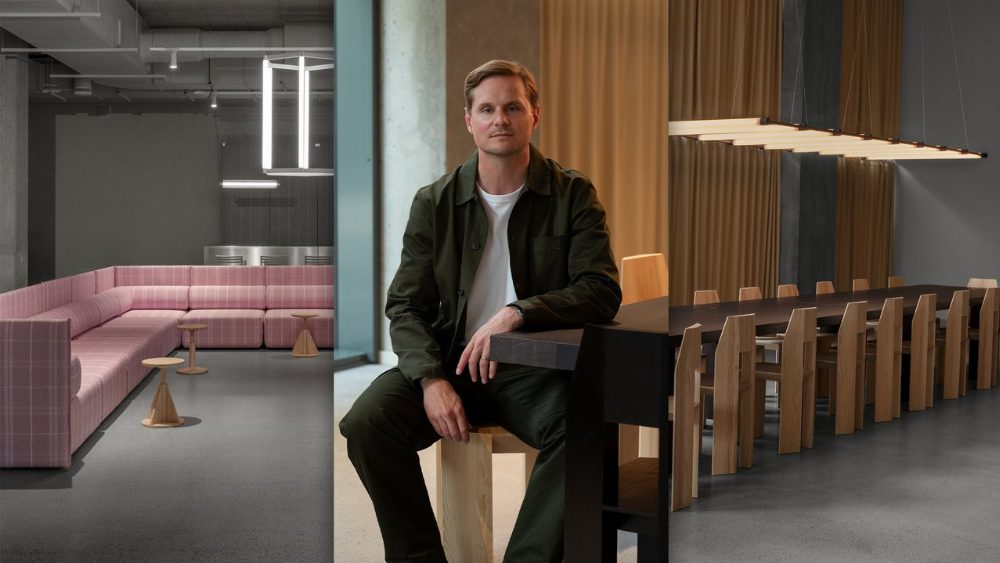
Petrus Palmér, the founder and CEO of Hem, is making waves in the furniture industry by rejecting the traditional discount culture that dominates the market. Since February, Hem has not participated in seasonal sales or offered promotional pricing, a departure from common retail practices. This decision reflects Palmér's belief that maintaining full price is essential for building trust with customers, particularly in the design community.
In a recent discussion from his Stockholm home, Palmér elaborated on the motivations behind this strategic shift. He emphasized that discounting erodes consumer trust and negatively impacts relationships with architects and interior designers, who rely on stable pricing to make long-term specifications. "If you’re a legit brand, you need to build a lot of trust with customers," he stated, highlighting the importance of consistency in pricing.
While the decision has led to a decrease in direct-to-consumer sales, it has been well-received by Hem's wholesale partners. Palmér noted that these partners often feel pressured to discount their prices when Hem does so. By eliminating discounts, Hem allows its partners to maintain their pricing integrity. However, he acknowledges that the change has prompted a recalibration of their customer base, with a greater reliance on loyal customers who value the brand for its offerings rather than just its prices.
Since its inception in 2014, Hem has transformed from a direct-to-consumer model into a more traditional brand structure that incorporates wholesale and B2B sales. Palmér, a designer by trade, initially embraced the direct-to-consumer wave, but over time, he realized the complexities of the model, especially regarding marketing expenses and customer service. "A lot of brands went under. The ones that survived did so because they had a product that was better than what was already out there," he reflected.
As Hem evolves, Palmér has reconsidered the company's ambitions in relation to giants like Ikea. While he once aspired for Hem to be the “Ikea of the premier market,” he now sees influence and scale as distinct goals. The pandemic era led many brands to experience rapid growth, but Palmér believes that sustainable growth is rooted in producing quality design rather than merely expanding reach.
In an industry where the pressure to scale can lead to compromises in design integrity, Palmér is committed to keeping Hem a smaller, influential brand. He argues that true success in design comes from making an impact rather than achieving massive sales figures. This perspective positions Hem uniquely in the market, emphasizing quality design and lasting relationships over fleeting discounts.
Source: www.fastcompany.com
#business strategy #design #furniture #Hem #Ikea #Petrus Palmér