OpenAI's Math Breakthrough Sparks Controversy and Battery Boom Hits New Heights
By Editor • September 9, 2026 • 1 min read
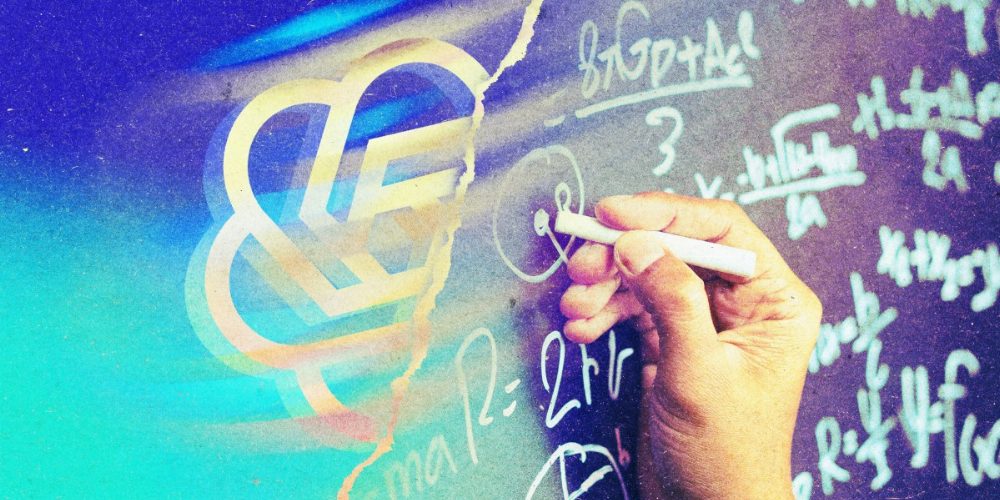
In an unexpected twist, OpenAI has claimed a significant achievement in mathematics by allegedly solving a longstanding problem that has puzzled experts for nearly a century. However, this announcement has been marred by controversy, as the organization faces accusations of not properly crediting the researchers whose AI-assisted efforts contributed to this solution.
This incident could signal a pivotal moment for mathematics, as the reliance on AI models appears to be becoming crucial for tackling the field's most challenging issues. The implications of such a shift raise questions about the future role of human mathematicians in an increasingly AI-driven environment.
Battery Installations Surge in the US
While the mathematics community grapples with the implications of AI advancements, the energy sector is celebrating its own milestone. In the second quarter of 2026, the United States saw a record-breaking addition of battery capacity, totaling 20.2 gigawatt-hours. This new capacity is sufficient to meet the daily electricity needs of approximately 600,000 households.
The surge in battery installations is propelled by a combination of factors, including a decrease in battery costs and an urgent demand for more energy storage solutions as renewable energy sources are integrated into the grid. However, this boom is manifesting differently for residential and grid-scale batteries, indicating a complex evolution in the market.
AI's Evolving Role in Problem Solving
The recent developments highlight a broader trend in which AI technology is increasingly being utilized to address complex problems across various fields. A recent quote from NYU mathematician Tristan Buckmaster likened OpenAI's achievement to the historic moment when IBM's Deep Blue defeated chess champion Garry Kasparov, suggesting that the mathematics community must engage in thoughtful dialogue about the future of their discipline in light of these advancements.
Source: www.technologyreview.com