Desperate Searches: Moroccan Families Seek Missing Migrants in Ceuta
By Editor • August 21, 2026 • 2 min read
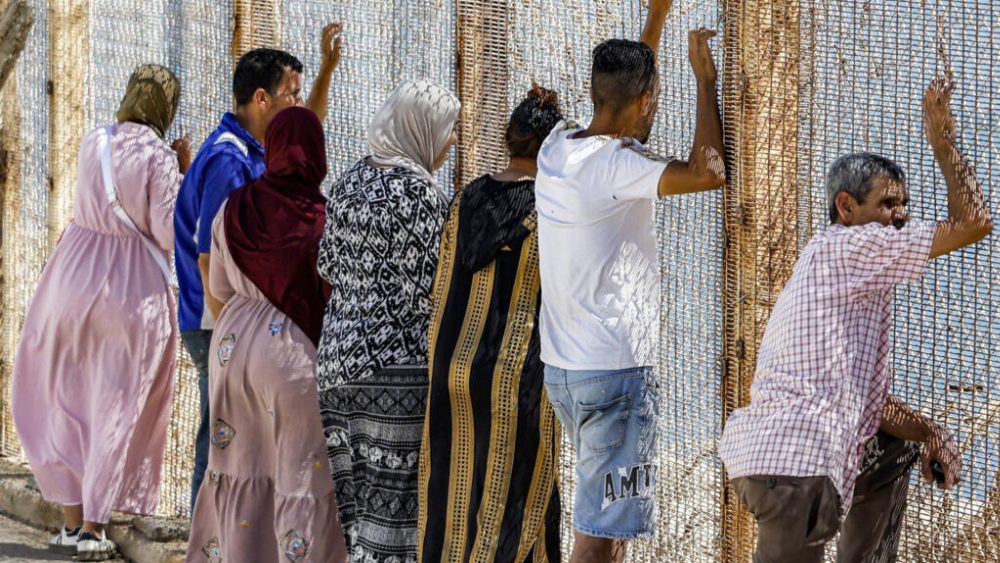
In the wake of a tragic migration crisis, families from Morocco are gathering at the Tarajal border post, anxiously waiting for news of their loved ones who attempted to cross into Ceuta during a recent surge of migration. As many as 70,000 individuals made the perilous journey to the Spanish enclave on July 30 and 31, with reports indicating that between 2,000 and 5,000 migrants remain in Ceuta while others have departed.
Two weeks after the initial wave, the situation has turned dire. Local authorities report a death toll of 91, including 80 in Spain and 11 in Morocco, while the Moroccan Association for Human Rights estimates the figure could be as high as 141. With many bodies recovered from the sea, the identification process has proven challenging, leaving families grappling with uncertainty and fear.
At the Sidi Mbarek Muslim cemetery in Ceuta, manager Saïd Mohammed Mohammed noted that dozens of unidentified bodies are awaiting burial, with a court order set to proceed despite the lack of resources. "We cannot wait indefinitely for families to arrive," he stated, emphasizing the cemetery's responsibility to manage burials, even without knowing the deceased's identities. Each body is assigned a number to aid in future identification, should families come forward.
Among the families searching for answers, Rahali's story stands out. After his son Zakaria embarked on a journey from Tangier, he received a distressing phone call that left him without any further contact. "They planned to cross, but when they arrived, the border was closed," Rahali recounted, tears in his eyes. His son, unable to swim, vanished into the chaotic waters, ultimately leaving Rahali with nothing but heartache and unanswered questions.
Social media has become a vital tool for families trying to locate missing persons. Posts featuring photographs and heartfelt messages have flooded platforms like Facebook and Instagram, as families desperately seek information. Zineb, whose brother Mehdi has been missing for 18 days, shared how they discovered footage of him emerging from the sea. "But since then, we've heard nothing," she lamented, revealing the toll this situation has taken on their mother.
In response to the crisis, Spanish authorities have established a special office for missing persons in Ceuta to collect reports from families, including personal details and distinctive features of the missing individuals. Since its inception, 32 cases have been registered, with DNA matching efforts underway. The first successful identification using this method was confirmed on August 5, as forensic teams work to facilitate identification and aid grieving families.
Source: www.france24.com