Thirteen Years On: The Lingering Trauma of Syria's Sarin Gas Attacks
By Editor • August 21, 2026 • 3 min read
As the world turns its gaze away, the residents of Ghouta and Khan Sheikhoun continue to grapple with the haunting consequences of the sarin gas attacks that shook Syria on August 21, 2013. For many survivors, the scars run deeper than the physical injuries; they are left with lifelong trauma and the weight of unfulfilled justice.
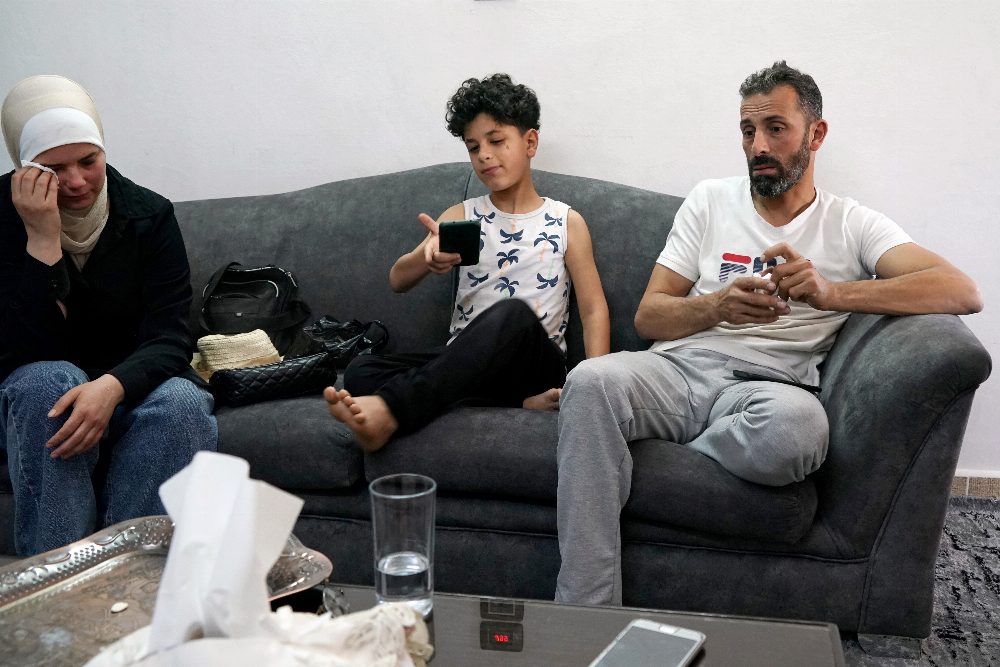
Nebras, a boy born amidst the chaos of that fateful night, is now nearly 13 years old. His mother, Rodina Abdulhadi, recalls the fear that gripped her and her husband, Mohammed Mnfak, as they awaited the birth of their son. Fleeing to safety along a Damascus highway, they were oblivious to the horror that awaited them. Shortly after Nebras's birth, Rodina's world crumbled as she was told her child would not be brought to her. The aftermath of the attacks left Nebras with severe developmental delays, rendering him minimally verbal and reliant on others for care.
On that tragic night, forces loyal to Bashar al-Assad unleashed sarin gas on Eastern Ghouta, leading to the deaths of 1,429 people, including 426 children, according to U.S. estimates. The atrocities did not end there; Assad's regime continued with conventional bombardments that decimated entire neighborhoods. Today, the remnants of Ghouta tell a story of destruction, with crumbling buildings and empty streets echoing the vibrant life that once flourished.
In the heart of this desolation, Rodina and Mohammed remain in their heavily damaged apartment, the only family left in their neighborhood. The couple returned to Jobar shortly after Nebras was born, only to find their surroundings unrecognizable, stripped of life. As they searched for friends and neighbors, the grim reality set in; they were met with the word 'dead' at every inquiry.
As Nebras approaches his 13th birthday, the plight of his family underscores the need for justice and support for survivors. His elder brother attempted to reach Europe in search of medical help, but has faced barriers in securing the necessary care for Nebras. Rodina expressed her fears in sending him away, feeling as though she was sending him toward danger. Meanwhile, Mohammed clings to the hope that those responsible for the attacks will be held accountable, emphasizing the urgent need for treatment for affected children.
Further complicating the narrative is the story of Mohammed Suliaiman Abo Alkair, another survivor who wanders the streets of Zamalka. He reflects on the loss of his friends and family, and the haunting memories that persist in the ruins of his life. Nearly everyone around him perished that night, leaving him to confront a grim reality where he often feels abandoned.
His wife, Naeema Ashoush, also carries the burden of that night, enduring long-term health issues stemming from her exposure to the gas while pregnant. Their son, Siraj, now almost 13, struggles with the repercussions of the attack, including impaired vision and seizures. For Naeema and Mohammed, the psychological scars remain as deep as the physical injuries, manifesting in heightened anxiety and a perpetual state of vigilance.
As they coexist with their memories, the couple has developed a routine marked by sleepless nights, taking turns to guard against the specter of another attack. The fear has woven itself into the fabric of their daily lives, a constant reminder of the horrors they survived.
Despite the passage of time, the survivors of Ghouta and Khan Sheikhoun remain trapped in a cycle of pain, longing for recognition and healing. Their stories remind us that the impacts of war extend far beyond the battlefield, resonating through generations.
Source: www.dailymaverick.co.za
#Bashar al-Assad #Ghouta #sarin gas #survivors #Syria #trauma