Climate Change Triggers Glacial Retreat and Increased Disaster Risks, Say Chinese Researchers
By Editor • September 8, 2026 • 1 min read
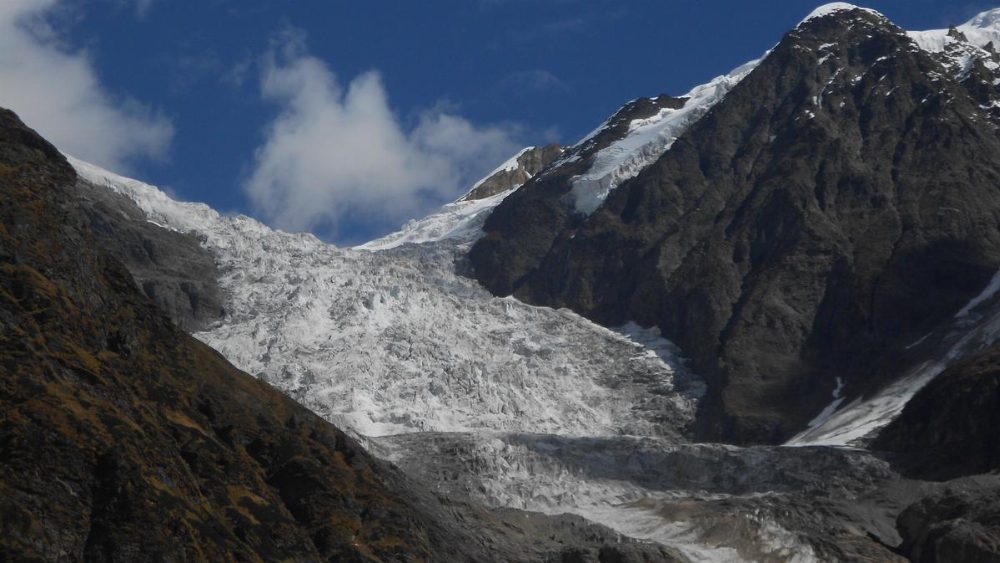
Chinese researchers have established a direct correlation between climate change and the alarming retreat of glaciers on the Tibetan Plateau, culminating in a deadly glacial collapse on August 26 along the Nepal-China border. Their findings indicate that rising temperatures are not only affecting glacial stability but also escalating the risks of catastrophic glacial flood outbursts.
According to the latest research, the area covered by glaciers on the Tibetan Plateau has significantly decreased to 39,000 square kilometers. This marks a decline from 44,000 square kilometers and 51,000 square kilometers recorded in earlier studies over the past six decades. Kang Shichang, a prominent researcher at the Institute of Mountain Hazards and Environment, noted that the most severe retreat is occurring in the southern regions of the plateau, including the Gangdise and Nyenchen Tanglha Mountains, where glaciers have shrunk by nearly 40 percent since the 1960s.
The study highlights a troubling increase in the number and size of glacial lakes, with over 14,000 lakes now mapped across the plateau, covering more than 1,100 square kilometers. These changes are primarily attributed to global warming, which has been reshaping the environment and increasing the likelihood of disasters such as glacial lake outburst floods and landslides. Researchers emphasize that the growth of glacial lakes is particularly concerning for neighboring countries like India and Nepal, where annual expansion in these lakes has been recorded at about 1%.
Source: www.thehindu.com
#China #climate change #disasters #glaciers #Nepal #Tibetan Plateau